

Coronary
Angiography
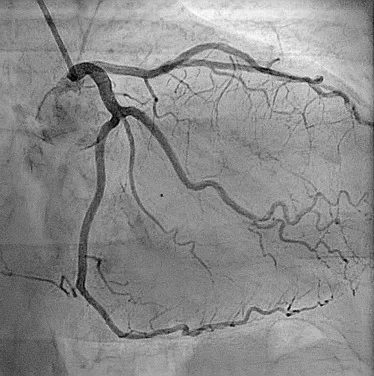
What is Coronary Angiography?
Coronary Angiography is a specialized diagnostic procedure used to visualize the blood flow in your heart’s arteries. It helps detect blockages or narrowing in the coronary arteries, which can lead to chest pain (angina), heart attacks, or other cardiac conditions. It’s considered the gold standard for evaluating coronary artery disease (CAD).
Why is Coronary Angiography Done?
This test is essential for:
Detecting blockages in the heart arteries
Evaluating chest pain, breathlessness, or heart attack symptoms
Planning further treatments like angioplasty or bypass surgery
Assessing the severity of coronary artery disease (CAD)
How is Coronary Angiography Performed?
A thin catheter is inserted through a blood vessel in your arm or groin.
A special dye (contrast) is injected into the coronary arteries.
Real-time X-ray images (angiograms) show the flow of blood in your heart.
The procedure typically takes 30 to 45 minutes, and you’re monitored throughout.
Is It Safe?
Yes, coronary angiography is generally safe and performed under local anesthesia. Minor risks may include bleeding or allergic reactions to the contrast dye. It is performed in a fully-equipped cath lab by experienced cardiologists.
When Should You Consider This Test?
Your doctor may recommend coronary angiography if you have:
Persistent chest pain or discomfort
Abnormal ECG or stress test results
History of heart attack or heart failure
High risk of coronary artery disease
Why Choose Us for Coronary Angiography?
Advanced cath lab facilities
Expert interventional cardiologists
Real-time imaging and immediate reporting
Safe, comfortable, and well-monitored environment
Personalized care and treatment planning post-test