

Renal Angioplasty
& Stenting
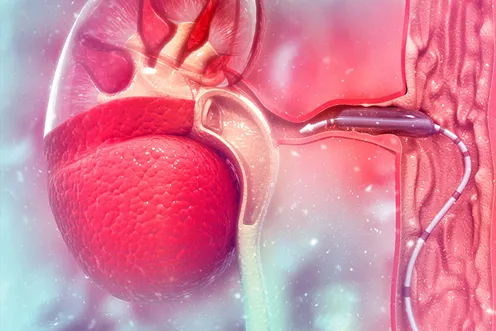
What is Renal Angioplasty and Stenting?
Renal Angioplasty and Stenting is a minimally invasive procedure used to treat narrowed or blocked arteries in the kidneys (renal arteries). These arteries supply blood to your kidneys, and blockages can lead to uncontrolled high blood pressure and kidney dysfunction. This procedure restores normal blood flow and helps protect kidney function.
Why is Renal Angioplasty Performed?
Your doctor may recommend renal angioplasty if you have:
Renal artery stenosis (narrowing)
Resistant hypertension (high BP not responding to medication)
Worsening kidney function
Flash pulmonary edema
Bruits (abnormal sounds) over the kidney area
How is the Procedure Done?
A catheter is inserted into an artery in your groin or wrist.
A small balloon is inflated at the site of narrowing to open the artery.
In most cases, a stent (a metal mesh tube) is placed to keep the artery open.
The procedure takes about 1 to 2 hours and is done under local anesthesia.
Benefits of Renal Angioplasty and Stenting
Improves blood pressure control
Prevents further kidney damage
Enhances overall kidney function
Reduces the need for multiple blood pressure medications
Minimally invasive with quick recovery time
Who Should Consider This Procedure?
This procedure is often advised for people who:
Have poorly controlled hypertension
Show signs of declining kidney function
Have evidence of renal artery blockage on imaging
Are experiencing fluid overload or heart failure related to kidney artery narrowing
Why Choose Us for Renal Angioplasty?
Experienced interventional cardiologists and radiologists
Advanced angiography suites with real-time imaging
Safe, minimally invasive technique with high success rates
Comprehensive care including pre- and post-procedure monitoring