

TAVI
(Transcatheter Aortic Valve Implantation)
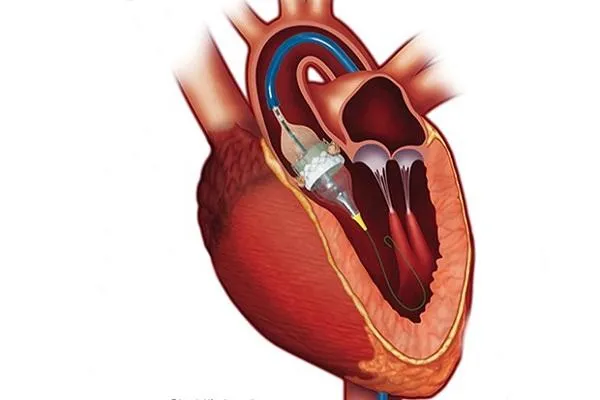
What is TAVI (Transcatheter Aortic Valve Implantation)?
TAVI, or Transcatheter Aortic Valve Implantation, is a minimally invasive procedure used to replace a narrowed aortic valve that fails to open properly—a condition known as aortic stenosis. Unlike traditional open-heart surgery, TAVI allows valve replacement without the need to open the chest or stop the heart, making it a safer option for high-risk or elderly patients.
Why is TAVI Performed?
TAVI is recommended for patients who:
Have severe aortic stenosis with symptoms like chest pain, fainting, or shortness of breath
Are at high or intermediate surgical risk due to age or other health conditions
Cannot undergo open-heart surgery
Need a faster recovery option with fewer complications
How is the TAVI Procedure Performed?
A catheter is inserted through a small incision, typically in the groin or chest.
The new valve is guided through the blood vessels to the heart.
Once in position, the new valve is expanded and replaces the damaged aortic valve.
The procedure is usually performed under local anesthesia with sedation, and patients are often discharged within a few days.
Benefits of TAVI
Minimally invasive with faster recovery
Reduces symptoms and improves quality of life
Suitable for high-risk and elderly patients
Lower risk of infection and complications compared to open-heart surgery
Shorter hospital stay and quicker return to normal activities
Who is a Candidate for TAVI?
TAVI may be suitable for you if you:
Have been diagnosed with severe aortic stenosis
Are experiencing symptoms like fatigue, dizziness, or chest discomfort
Have been considered high-risk for conventional valve surgery
Have previously undergone valve surgery or have complex health issues
Why Choose Us for TAVI?
Experienced team of interventional cardiologists and cardiac surgeons
Advanced hybrid cath lab facilities
Personalized risk assessment and patient counseling
Comprehensive pre- and post-procedure care
Proven track record of successful outcomes