

Coronary
Angioplasty
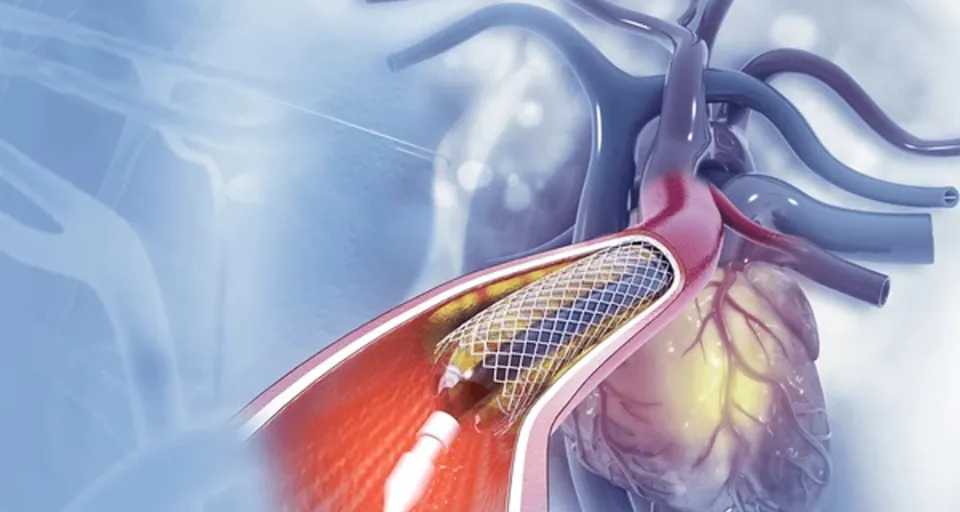
What is Coronary Angioplasty?
Coronary Angioplasty, also known as Percutaneous Coronary Intervention (PCI), is a minimally invasive procedure used to open blocked or narrowed coronary arteries. It restores normal blood flow to the heart, helping relieve chest pain (angina), reduce the risk of a heart attack, and improve overall heart function.
Why is Coronary Angioplasty Done?
Coronary angioplasty is recommended for patients with:
Coronary artery disease (CAD)
Blocked arteries causing chest pain or breathlessness
Acute heart attack to quickly restore blood flow
Recurring symptoms despite medication
It can be a life-saving emergency procedure or a planned treatment.
How is Coronary Angioplasty Performed?
A thin, flexible tube (catheter) is inserted through an artery in your wrist or groin.
A balloon at the tip of the catheter is inflated to widen the blocked artery.
In most cases, a stent (a small mesh tube) is placed to keep the artery open.
The procedure typically lasts 30 to 90 minutes and is performed in a cath lab.
Benefits of Coronary Angioplasty
Immediate relief from chest pain
Improved blood flow and oxygen to the heart
Reduced risk of heart attack
Quicker recovery than open-heart surgery
Minimally invasive with short hospital stay
Who Needs This Procedure?
You may need angioplasty if you have:
Severe blockages in one or more coronary arteries
Symptoms like chest pain, shortness of breath, or fatigue
Positive results from a stress test, TMT, or angiography
Emergency heart attack treatment
Why Choose Us for Angioplasty?
Expert interventional cardiologists
Advanced catheterization lab (cath lab)
State-of-the-art technology and stent options
Round-the-clock emergency care
Compassionate post-procedure monitoring and follow-up