

Pace maker
& ICD Implantation
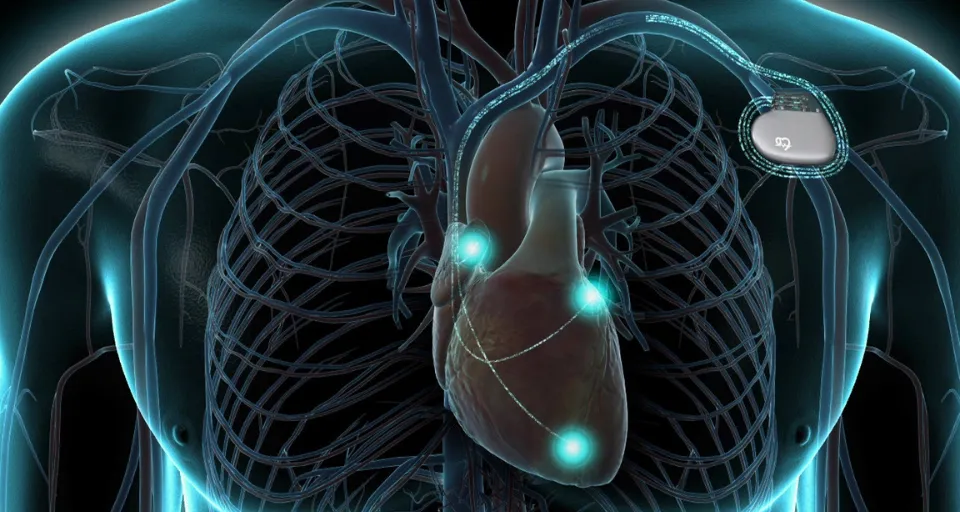
What is a Permanent Pacemaker?
A Permanent Pacemaker is a small medical device implanted under the skin to regulate slow or irregular heartbeats. It sends electrical signals to the heart to maintain a normal rhythm and prevent symptoms like dizziness, fatigue, or fainting.
What is an Implantable Cardioverter Defibrillator (ICD)?
An ICD is a life-saving device used in patients at high risk of sudden cardiac arrest. It constantly monitors your heart rhythm and delivers a shock if a dangerous arrhythmia (like ventricular tachycardia or fibrillation) is detected.
When is a Pacemaker or ICD Needed?
You may need one of these devices if you have:
Bradycardia (slow heart rate)
Heart block or irregular heartbeat
Fainting spells due to heart rhythm issues
Previous cardiac arrest or severe ventricular arrhythmias
Cardiomyopathy or heart failure
How is the Device Implanted?
The procedure is done under local anesthesia in a cardiac cath lab.
A small incision is made near the collarbone to place the device.
Leads (wires) are guided into the heart through a vein and connected to the device.
The device is programmed to monitor and correct your heart rhythm automatically.
Benefits of Pacemaker & ICD Implantation
Prevents sudden cardiac death
Reduces symptoms like dizziness, shortness of breath, and fatigue
Improves quality of life and energy levels
Helps manage advanced heart conditions with better rhythm control
Long battery life and regular follow-up ensures reliable performance
Why Choose Us for Pacemaker or ICD Implantation?
Experienced electrophysiologists and cardiologists
Advanced cardiac imaging and device programming
Fully equipped operation suites and post-op care
Long-term monitoring and support for device patients
Personalized cardiac rehabilitation and follow-up programs