

Renal
Denervation
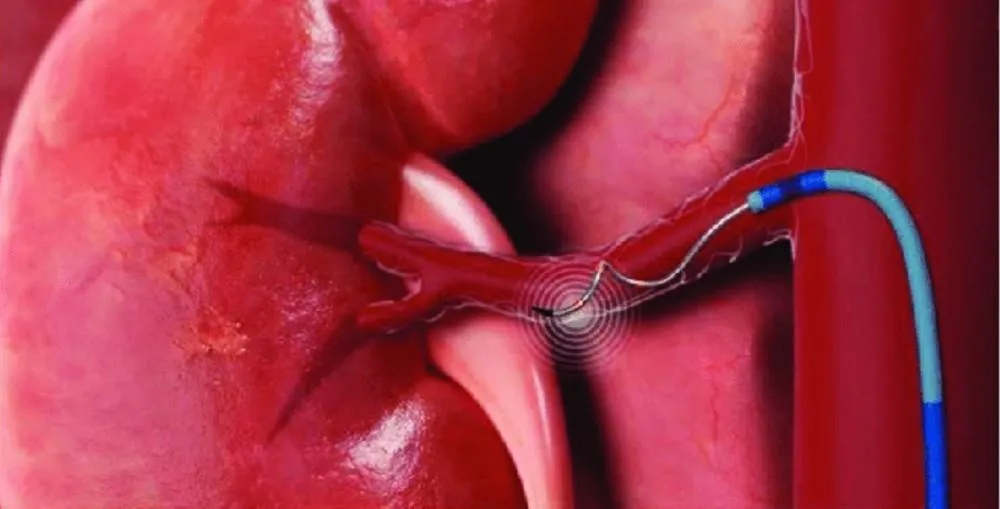
What is Renal Denervation (RDN)?
Renal Denervation (RDN) is a minimally invasive, catheter-based procedure designed to treat resistant hypertension—high blood pressure that doesn’t respond well to medication. It works by disrupting the overactive nerves in the walls of the renal arteries, which play a key role in regulating blood pressure.
Why is RDN Done?
RDN is recommended for patients who:
Have uncontrolled high blood pressure despite taking multiple medications
Suffer from drug intolerance or side effects
Are at high risk of stroke, heart attack, or kidney damage
Need an alternative or supportive treatment to medication
How Does the Procedure Work?
A catheter is inserted through a blood vessel in your groin or wrist and guided to the renal arteries.
Low-level radiofrequency energy is delivered to ablate (deactivate) the nerves lining the arteries.
The entire procedure takes around 45–60 minutes and is performed under local anesthesia with mild sedation.
Benefits of Renal Denervation
Significant reduction in blood pressure over time
Improved quality of life for patients with resistant hypertension
Minimally invasive and safe
No need for permanent implants or foreign objects
May reduce the number or dosage of medications required
Who is a Candidate for RDN?
You may be eligible for RDN if you:
Have a systolic blood pressure above 140 mmHg despite treatment
Take 3 or more antihypertensive drugs including a diuretic
Have no secondary cause of hypertension (such as hormonal issues or artery blockages)
Are looking for a non-medication-based solution to manage hypertension
Why Choose Us for RDN?
Highly skilled interventional cardiologists and radiologists
Advanced cath lab equipped for precision-guided procedures
Comprehensive pre-procedure evaluation and post-care support
Focused on delivering personalized, safe, and effective blood pressure solutions